The Psychology of Staying When You Know You Should Leave
You know it is bad. Your friends tell you to leave. You plan to leave. Then they cry, apologize, and become the person you fell in love with. You stay. You hate yourself for staying. This cycle has a name: trauma bonding.
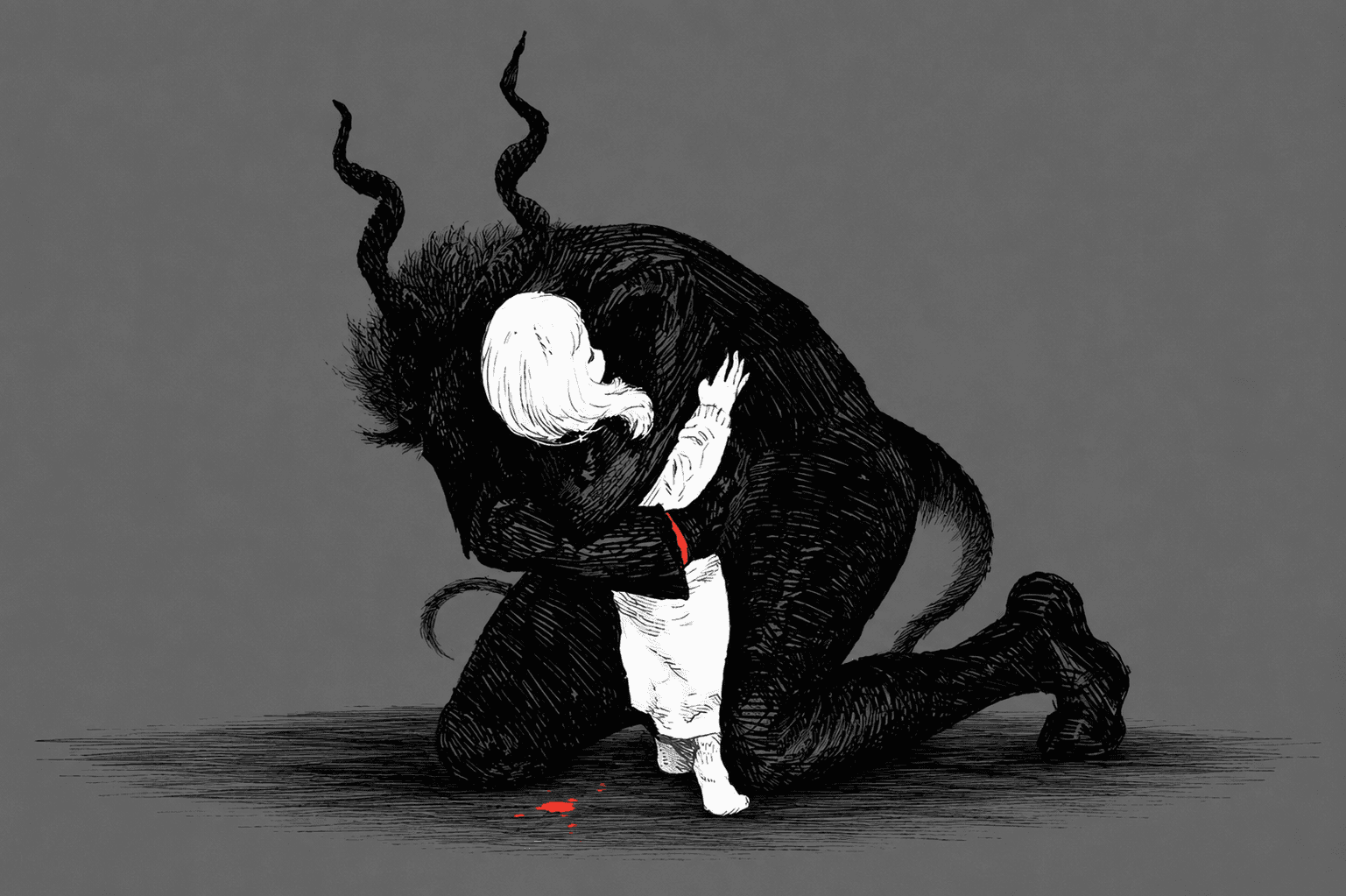
How trauma bonds form
Trauma bonds develop through intermittent reinforcement, the same mechanism that makes gambling addictive. The abusive partner alternates between cruelty and kindness, punishment and reward. Your brain becomes addicted to the relief phase. The dopamine hit of “they’re being nice again” is neurochemically identical to a drug high.
The cycle
- Love-bombing: Intense affection, attention, future-faking. “You’re the most amazing person I’ve ever met.”
- Devaluation: Criticism, withdrawal, gaslighting, control. “You’re too needy. Nobody else would put up with you.”
- Discard/Threat: “Maybe we should break up.” Cold shoulder. Punishment.
- Hoovering: “I’ll change. I can’t live without you. I’m sorry.” Return to love-bombing. Repeat.
Why leaving feels impossible
Your nervous system is dysregulated. The calm moments feel like oxygen after drowning. Your identity has been eroded. You believe their version of you. Practical barriers exist - shared finances, children, housing. Shame keeps you silent. And hope (the most dangerous thing) keeps you waiting for the version of them that appeared in the beginning.
Breaking free
Acknowledge the bond without shame.
Educate yourself on the cycle.
Build a support system: therapist, trusted friend, helpline.
Create a safety plan. Go no-contact when possible.
Expect withdrawal symptoms. The first weeks will feel unbearable. That is the addiction, not love.
Therapy, specifically trauma-focused therapy is essential for recovery.
Key takeaway: Leaving a trauma bond is not about willpower. It is about understanding the neuroscience, building support, and allowing the grief of losing something that was never what it seemed.
Resonated with This Article?
If something in this article spoke to you, that's worth paying attention to. A confidential conversation could be the next step.